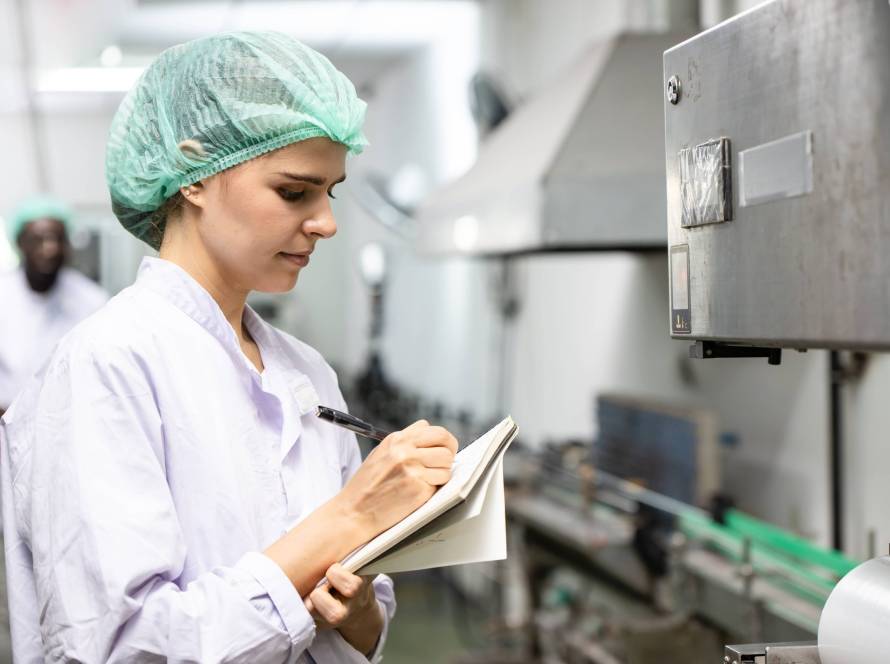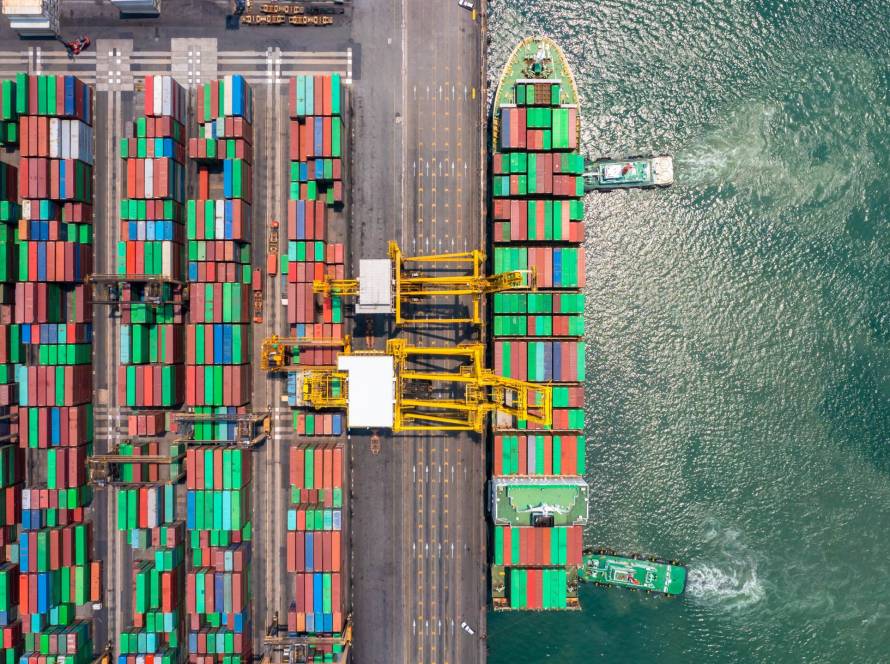
In the food industry today, it is no longer enough to know “what we eat.” Consumers also want to know how and where it was produced, who processed it, and every step it went through. This shift is not merely a consumer trend; it has become a necessity in terms of food safety, sustainability, and corporate responsibility. From food producers to restaurant chains, from packaging design to exports, the entire ecosystem now regards “transparency” not just as an option but as a competitive advantage. Because traceability is one of the strongest ways to build trust.
What Is Traceability?
Food traceability is the recording—digitally or physically—of a product’s entire journey from farm to fork, making it auditable and retrospectively trackable.
This includes details such as:
- Where and how the product was grown/produced,
- Which suppliers provided the raw materials,
- Which processing and transportation stages it passed through,
- When and under what conditions it was packaged,
- How long and under what conditions it was stored.
Why Is It So Critical?
- Food Safety and Crisis Management
In cases of risks such as Salmonella, Listeria, or pesticide residues, the ability to quickly identify the source prevents losses worth millions of lira. Traceability accelerates product recalls and resolves crises before they escalate. - Consumer Trust and Brand Reputation
Today’s conscious consumer demands not only taste but also ethical production, fair trade, and environmentally friendly processes. Brands that offer a transparent supply chain build this trust much more easily. - Export and Legal Requirements
Many countries and institutions (EU, FDA, etc.) have now made traceability systems a legal requirement. This becomes even more critical for sensitive categories such as geographically indicated products, organic-certified items, or fermented foods. - Efficiency and Operational Control
Traceability provides internal benefits as well. Keeping every step from raw material to shipment on record makes it easier to identify inefficiencies and implement improvements.
Traceability in Pickles and Fermented Foods
Fermented foods, due to their microbiological nature, require constant monitoring and analysis. This makes traceability critical not only for logistics but also for standardising product quality.
For pickles, for example:
- The field where the crop was grown (e.g., cucumbers grown in Edirne),
- Harvest date, fermentation duration, type of salt and vinegar used,
- Hygiene conditions of the processing facility,
- Storage temperatures,
When these data points are recorded, the story of every single jar becomes traceable.
This also creates opportunities in the premium segment for pricing, story-based marketing, and adding value to the product.
The Role of Digitalisation: From QR Codes to Blockchain
Many producers now place QR codes on packaging that instantly provide consumers with this information. Some advanced brands use blockchain-based supply chain solutions to store data in tamper-proof records, further increasing trust.
For example: When a consumer scans a jar of pickles with their phone, they can see: “These gherkins were harvested in July 2024 in İvrindi, Balıkesir. They were fermented for 18 days and jarred on 6 September.”
More Than Just Auditing – Preserving Cultural Value
Traceability also ensures that local production knowledge is not lost. With data chains such as “The field inherited from grandfather, turned into pickles this year with tomatoes grown by his son,” it becomes possible to digitise geographical, cultural, and family memory.
Transparency Is the Future
No product that leaves no trace throughout the supply chain will have a place in the future of food. Traceability is not only a crisis-prevention tool; it is also a storyteller, a quality certificate, and a brand ambassador. The future of food will be shaped by producers who build trust, choose visibility, and deliver responsibility through transparency.