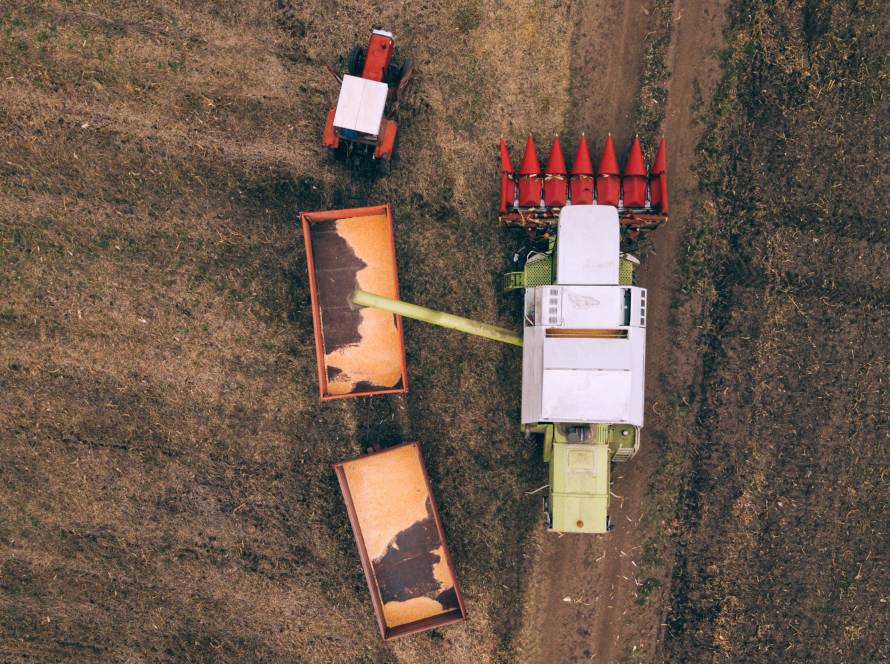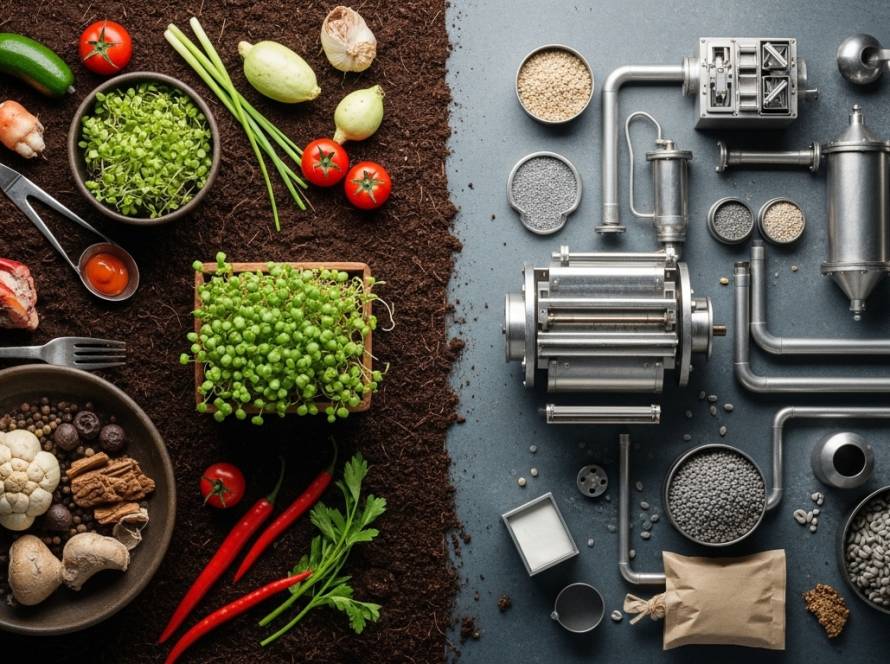
Agriculture has relied for centuries on observation, experience, and an intuitive relationship with nature. Today, however, this relationship is being reshaped by a network of technologies that extends from satellite observation to artificial intelligence analysis. The health of the soil, the stress on plants, or the timing of rainfall is no longer monitored solely by the farmer’s eyes; sensors, drones, and algorithms now play a key role. At the heart of this transformation lies a group whose name is rarely mentioned yet who are quietly building the future of agriculture: the unsung heroes of next-generation farming.
Who Are These Unsung Heroes?
The answer lies in systems that are not human but think like humans or continuously measure the environment:
- Satellites and drones
- Soil and climate sensors
- AI-powered decision support systems
- Agricultural data engineers
- Digital agriculture platforms integrated with APIs
They remain unseen because they operate beneath the soil, in the sky, or in cloud systems. Yet their impact is highly visible: more efficient production with fewer resources and greater predictability.
Satellites: The Farmer’s Assistant in the Sky
Modern agriculture is no longer practiced by looking only at the ground. Thanks to satellites, every inch of fields can be monitored in high resolution. Data on plant health, soil moisture, and sunlight exposure are collected and analyzed continuously. This enables:
- Early detection of pest infestations,
- Advance identification of water stress,
- Decisions on when to harvest specific parcels.
For instance, multispectral imaging technology can reveal which parts of a sunflower field are experiencing stress days in advance. This minimizes the use of fertilizer, water, and pesticides while maximizing yield.
Soil and Plant Sensors: Information from the Roots
The soil speaks quietly, but it has much to say. Sensors that measure soil moisture, pH levels, and temperature allow:
- Optimization of irrigation systems,
- Detection of soil fatigue,
- Prediction of which crops will perform best in which parcels.
In a sense, these sensors translate the soil’s whispers for the farmer.
Data-Driven Agriculture: Algorithms Don’t Harvest, But They Plan the Harvest
Artificial intelligence has become agriculture’s strategic mind. Through big data analysis:
- Planting and harvest schedules are created using weather forecasts,
- Disease risks are modeled in advance,
- Yield comparisons with previous years are performed.
Agriculture is now managed not only by the seasons but with confidence in data.
Great Opportunities for Small Producers
These technologies are becoming accessible not only to large farms but also to small family operations. Smart farming applications, decision support systems operable via mobile phones, and open-source soil analysis platforms enable:
- Entrepreneurial farmers to make informed decisions,
- Increase yield while reducing costs,
- Achieve more resilient production against climate change.
Fermented Products and Technology: Traceability in Pickle Production
The unsung heroes of next-generation agriculture are active not only in the field but also in the factory. For example, in pickle production:
- It is possible to track which cucumber from which field, harvested when and at what temperature, ends up in which jar.
- Temperature, pH, and salt levels are monitored by sensors throughout the fermentation process.
- Smart barcode systems allow consumers to access the full history of the product on their table.
This represents not just flavor, but a journey of transparency and trust.
An Invisible Transformation with Major Impact
The future of agriculture extends from the depths of the soil to the sky, from algorithms to user dashboards. The heroes of this transformation may not appear at trade fair stands or in news headlines, but every day they ensure that millions of tables are supplied with safe, sustainable, and delicious food. When traditional intuition joins forces with the power of technology, agriculture becomes not only productive but also intelligent, respectful, and resilient. In this new era, the unsung heroes are writing the visible future of agriculture.