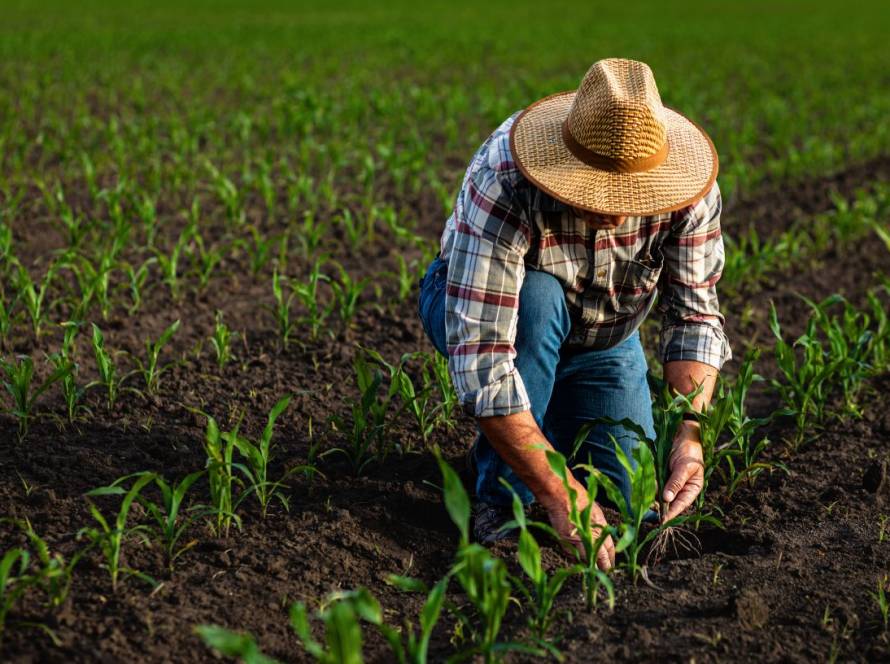
The harvesting period (or time to harvest) is the duration from the initial sowing or planting of a crop until it reaches maturity and is ready for harvest. Depending on the crop variety, climate, and cultivation methods, this timeframe ranges from a few weeks to nearly a year. A short harvesting period indicates rapid crop maturity, often allowing multiple planting and harvesting cycles within a single growing season.
What Does Harvesting Period Mean?
The harvesting period bridges two critical milestones: the planting (or transplanting) date and the point of harvest readiness. Throughout this duration, the plant progresses through germination, vegetative growth, flowering, and maturity. Once this cycle is complete, the crop is harvested at peak maturity to preserve optimal freshness and quality.
Harvesting period is not a fixed metric; it varies even for the same crop depending on microclimatic conditions, soil structure, and seed genetics.
Key Factors Determining the Harvesting Period
- Crop Type — Leafy greens (such as lettuce and spinach) yield rapid harvests, whereas perennial tree crops (such as apples and walnuts) take years to reach full production.
- Climate and Seasonality — Temperature fluctuations and daily light integral (photoperiod) directly dictate plant growth rates.
- Seed or Seedling Variety — Different cultivars of the same crop display varying days to maturity (DTM).
- Irrigation and Fertigation Management — Adequate water and nutrient delivery accelerate development, whereas deficiencies prolong the growing cycle.
- Soil Structure — Well-draining, nutrient-dense soil promotes robust root development, effectively shortening the growth cycle.
Crops with Short Harvesting Periods
A short harvesting window enables growers to execute multiple cropping cycles on the same acreage within a single year. Standard examples include radishes, arugula, lettuce, and select microgreens, which reach harvest maturity in just a few weeks.
Conversely, solanaceous vegetables like tomatoes, peppers, and eggplants require a medium-length cycle, taking several months from transplanting to harvest. Fruit trees (apple, pear, walnut) operate on both annual harvest cycles and multi-year maturation periods before achieving commercial yield.
Why Is the Harvesting Period Important?
Accurate harvest timing forms the backbone of operational planning for growers and supply chain managers alike:
- Planting Schedules — Precise crop calendars depend entirely on knowing exact maturation times.
- Continuous Supply Chain — Staggered planting of crops with varying maturation rates ensures year-round product availability.
- Quality Control — Miscalculating harvest windows results in either premature picking or over-ripening, reducing product marketability.
- Price and Market Equilibrium — Crops with short harvest cycles experience more frequent market supply shifts, whereas long-cycle crops maintain broader price stability.
Harvest timing plays a decisive role in pickled vegetables: collecting raw produce within its peak harvest window ensures optimal firmness and quality in the finished goods. To learn more about raw material selection and processing, read our guide: How Pickles Are Made in a Factory: The 10-Step Process
The Relationship Between Harvest Duration and Cropping Systems
Short-cycle crops serve as a key component of crop diversification strategies, allowing growers to execute multiple succession plantings on the same plot within a single growing season. Alternating crops with distinct harvest durations on the same land—known as crop rotation—prevents continuous soil depletion of specific vital nutrients.
To explore how cropping patterns impact soil health and yield efficiency, read our guide: Monoculture and Polyculture: What They Mean and Their Impact on Agriculture
Frequently Asked Questions
What is the definition of a crop harvesting period?
It is the total duration required from sowing or transplanting a crop until it reaches full maturity for harvest. It varies based on crop genetics, climate, and agronomic management.
What does a short harvest period signify?
It signifies fast crop turnaround, allowing growers to harvest and re-seed the same parcel multiple times within a single season.
Which agricultural crops have the shortest harvest cycles?
Radishes, arugula, and various leafy salad greens feature some of the shortest cycles, reaching maturity within weeks.
Which parameters determine the time to harvest?
Primary drivers include crop variety, localized climate, seed cultivar, irrigation-fertigation efficiency, and soil physical properties.
Why is understanding the harvest period critical for commercial agriculture?
It is essential for scheduling planting calendars, optimizing supply chain stability, preventing crop yield loss, and maintaining end-product quality.