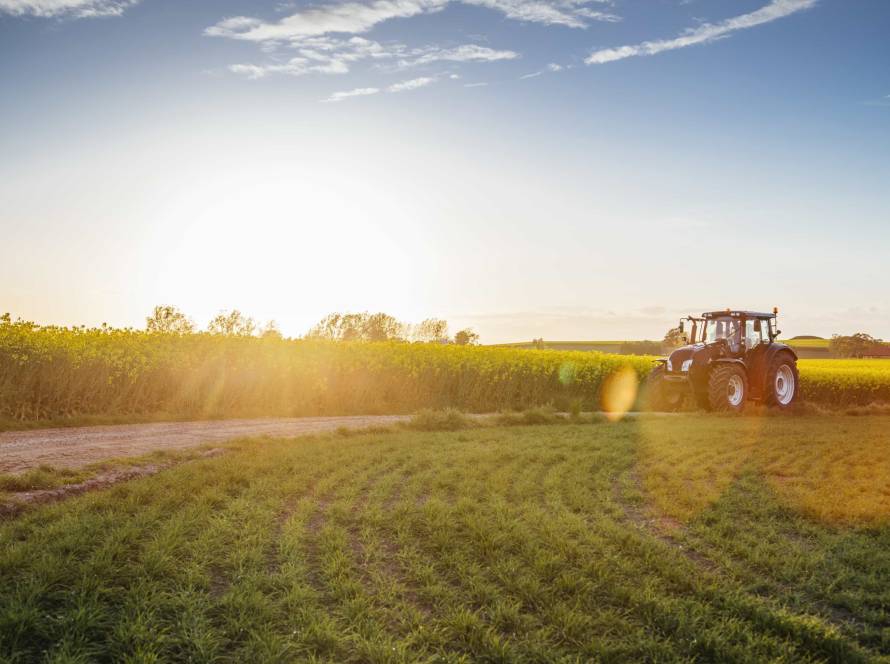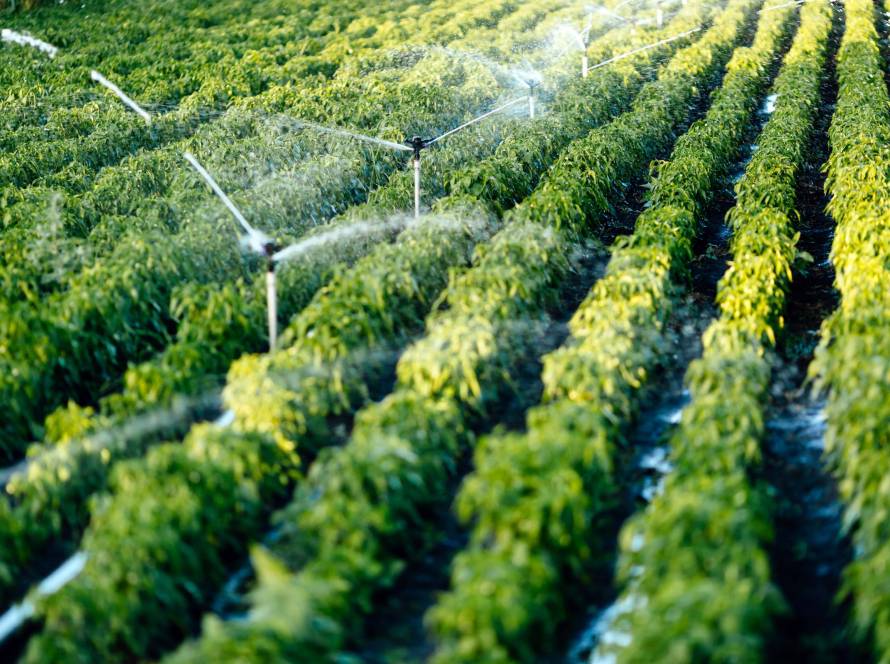
From the mid-20th century onward, modernization in agriculture brought with it the concept of monoculture, or single-crop farming, driven by goals of efficiency and increased production. However, this short-term rise in yield has, in the long run, turned into a vicious cycle that harms nature, the soil, and even farmers themselves. At this point, a more nature-aligned alternative, polyculture, or multi-crop farming, is gaining increasing importance.
Monoculture: The Silent Depletion of the Soil
Monoculture is a system based on growing the same crop on the same land year after year. While this model offers certain advantages, it also brings serious risks:
- Soil Fatigue: Drawing the same nutrients from the soil every year disrupts its balance and reduces its natural fertility.
- Rapid Spread of Pests: A single crop type becomes an easy target for diseases and pests.
- Loss of Biodiversity: Monoculture weakens the ecosystem, destroying habitats for bees, birds, and other beneficial organisms.
- Chemical Dependency: Achieving yields without fertilizers and pesticides becomes difficult, causing harm to the environment and water resources.
Polyculture: Farming Through Nature’s Wisdom
Polyculture is a form of agriculture in which different plants are grown together in the same area, respecting the diversity found in nature. This system delivers not only yield, but also resilience, sustainability, and environmental balance.
Advantages of Polyculture:
- Keeps the Soil Alive: Plants aerate the soil through different root structures and maintain nutrient diversity.
- Natural Pest Control: Some plants protect others from pests; for example, basil can repel insects from tomatoes.
- Improved Water Retention: Broad-leafed species help preserve soil moisture.
- Economic Security: If one crop fails, others can help compensate.
- Increased Biodiversity: A more balanced ecosystem forms for soil organisms, insects, and birds.
From Tradition to the Future: The Three Sisters and Beyond
Throughout history, many civilizations have practiced polyculture. One well-known example is the “Three Sisters” method used by Indigenous peoples of North America:
- Corn grows vertically and provides structural support.
- Beans climb the corn stalks and fix nitrogen in the soil.
- Squash protects the soil with its broad leaves and suppresses weeds.
This ancient knowledge offers solutions to many of modern agriculture’s challenges.
Polyculture and Food Security
In the face of risks such as climate change, drought, and global pandemics, ensuring food security depends on resilient and diversified production. Polyculture is a system that reduces risk and preserves the soil for the future, from small family farms to large-scale producers.
What Does It Mean for Brands?
The polyculture approach supports a sustainable and natural production model by allowing a wide range of vegetables suitable for fermented products, such as cucumbers, cabbage, carrots, and peppers, to be grown together or in rotation in the same fields. This diversity strengthens not only the soil, but also the character of the products and the brand’s relationship with the environment.
The Future of Agriculture Will Be Shaped by Diversity
Agriculture is not only about production, but about sustaining a living cycle. While monoculture weakens this cycle, polyculture brings it back to life. Our strongest response to the climate crisis, resource scarcity, and soil depletion is to learn from nature and celebrate diversity. Because sustainable food begins with sustainable farming.