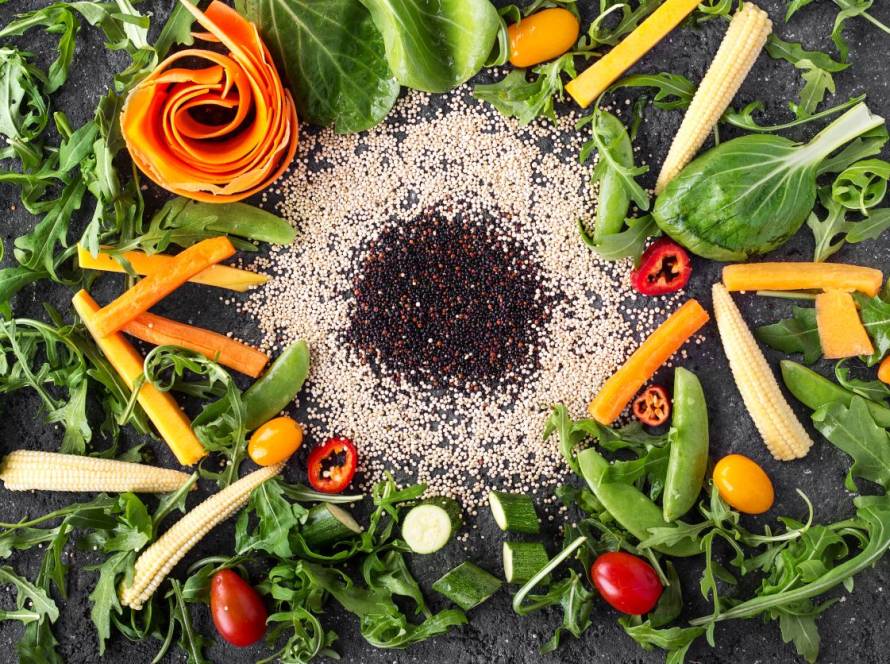
The modern world is experiencing one of the greatest turning points in the history of food production and consumption. On one side, there is a rapidly growing global population; on the other, the challenges of climate change, increasing droughts, and shrinking agricultural land. This reality sends us a clear message: we cannot build tomorrow’s food systems using yesterday’s methods.
The tables of the future will not be defined solely by food that is delicious or accessible, but by how sustainably, regeneratively, and intelligently it is produced. So, what can we expect from this new roadmap that stretches from farm to fork?
1. Regenerative Agriculture: Restoring Rather Than Exploiting the Soil
The concept of sustainability is now evolving into a more powerful movement: Regenerative Agriculture. In the future of food production, the era of treating soil like an endless production line sustained by artificial inputs is coming to an end.
Soil as a Carbon Sink: Next-generation farming aims to remove carbon from the atmosphere and store it in the soil, helping to mitigate climate change. Practices such as minimal soil disturbance, cover cropping, and enhancing biodiversity improve the soil’s water retention capacity and create a natural defense against drought.
Nutrient Density: Foods grown in healthy, living soils are often richer in vitamins and minerals. The future is not about producing more food, but about producing more nutritious food.
2. AgriTech: Digital Farms and the Power of Data
In the farms of the future, data power is replacing muscle power. Artificial intelligence, IoT (Internet of Things) sensors, and drones are becoming key drivers of sustainable agriculture.
Precision Intervention: Sensors placed in the soil can instantly detect when crops need water or nutrients. The era of guesswork in irrigation and fertilization is ending, reducing water waste by as much as 50%.
AI-Powered Harvesting: Algorithms analyze climate conditions and crop health to determine the optimal harvest time. This helps prevent food losses before they even occur in the field.
3. Circular Food Systems and Zero-Waste Production
One of the most important pillars of the sustainable food roadmap is the philosophy of Zero Waste. The food industry must transform by-products generated throughout the production process into valuable resources for new processes.
Water Recovery: Water used in production facilities is treated through advanced filtration systems and returned to the production cycle.
Upcycling: Vegetable stems, peels, and fruit pulp generated during processing are no longer considered waste. Instead, they are transformed into raw materials for bio-based packaging, compost production, or renewable energy generation. Nature serves as the model because in nature, there is no waste, only transformation.
4. Transparency and Blockchain: The New Foundation of Trust
Future consumers want to know the full story behind the food on their plates. QR codes integrated with blockchain technology are making food journeys completely transparent. Consumers will be able to see where a product was grown, who produced it, and even its carbon footprint with a single scan.
This level of transparency encourages every stakeholder in the food chain to operate more ethically and sustainably.
The Future Belongs to Those Who Follow Nature’s Rhythm
Building the tables of the future does not mean achieving a technological victory over nature. On the contrary, the future lies in using science, technology, and data to preserve nature’s wisdom and ecological balance.
In this new roadmap from farm to fork, the winners will be visionary producers who give back to the soil, treat water as a precious resource, and transform waste into value, alongside conscious consumers who support these efforts. The flavors of tomorrow are already taking root through the sustainable choices we make today.