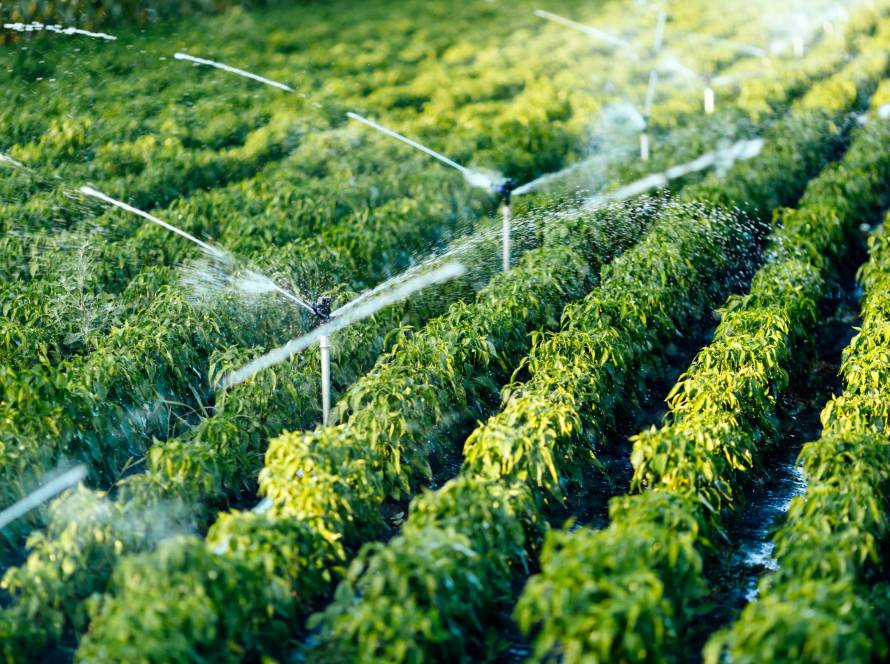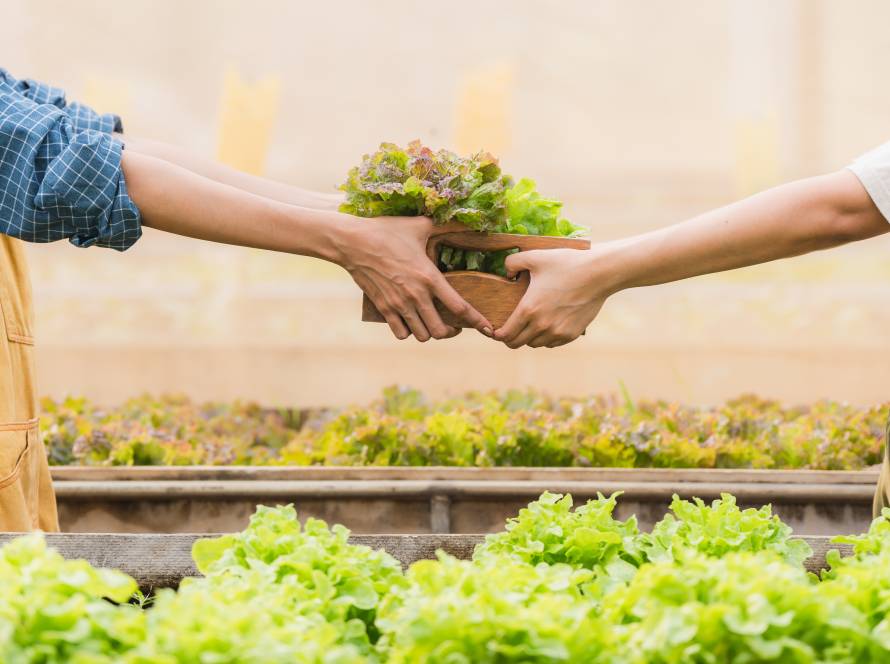
In the past, the agriculture and food sector was often viewed as a series of separate compartments: farmers produced in the field, industry processed the products, and consumers purchased them from store shelves. In today’s complex world, however, this linear model has evolved into a vast collaboration ecosystem where every stakeholder supports and influences the others. It is no longer enough to simply produce a good product; the real measure of success lies in how transparent, reliable, and sustainable the entire journey from farm to table is. So, how do the gears of this ecosystem work together?
1. Producers and Industry: A Strategic Partnership
The relationship between industry and producers has become much more than a simple buying and selling transaction. In the modern food ecosystem, industrial organizations have become some of the most important technology and knowledge partners for producers.
Contract Farming Models
While industry defines the quality standards required for raw materials, producers benefit from market guarantees and greater financial predictability.
Technology Transfer
Large-scale industrial companies share their R&D capabilities, seed technologies, and smart farming practices with smaller producers, helping to elevate the quality of the entire value chain.
2. Transparency: Consumers Becoming Part of the Chain
In the past, consumers waited at the end of the chain as passive buyers. Today, their expectations and values shape production decisions from the very beginning.
Traceability
Consumers want to know where their food comes from, under what conditions it was grown, and how it was produced. This demand encourages industry to become more transparent and motivates producers to adopt documented and standardized production practices.
The Feedback Loop
Consumers’ growing preference for healthy and natural foods directly influences industrial R&D strategies and farmers’ planting decisions in the field.
3. The Hidden Hero of the Ecosystem: Data Sharing
The strongest force connecting producers, industry, and consumers is data.
Data collected from soil moisture sensors in the field can optimize production planning within processing facilities.
Retail sales data can help determine planting volumes for the following season.
As a result, food waste is minimized while resources are used more efficiently.
4. Sustainability: A Shared Responsibility
Protecting soil fertility is not solely the responsibility of farmers. Consumers contribute by choosing sustainable products, while industry supports regenerative farming practices. When every link in the chain acts responsibly toward nature, the ecosystem becomes a self-sustaining cycle.
Producing Together, Growing Together
The agricultural collaboration ecosystem is not only an economic model but also a guarantee of food security. When the dedication of producers, the technology of industry, and the awareness of consumers come together around a common purpose, a more delicious, safer, and more sustainable world becomes possible.
In the food system of the future, the winners will not be those who run alone, but those who succeed in becoming part of this interconnected chain.