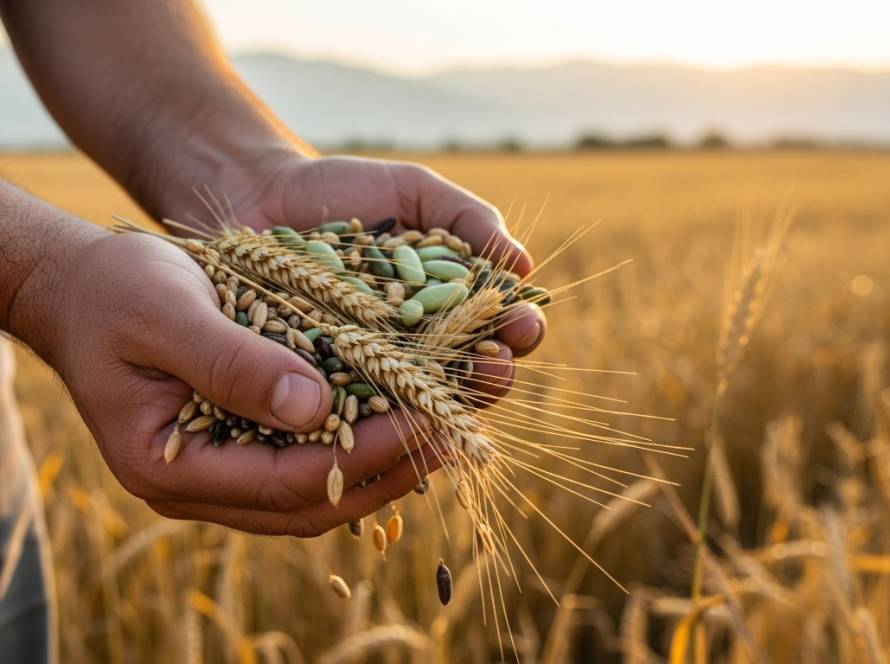
For many years, the agricultural sector around the world struggled with the challenge of an aging workforce. In recent years, however, this picture has begun to change dramatically. Educated young people are leaving behind the chaos of city life, corporate offices, and conventional career paths to reconnect with the land. Yet this is not a “return to the past.” On the contrary, it is a story of moving forward by combining agriculture with technology, innovation, and vision.
Here are the key ways the new generation of farmers is transforming the agricultural world:
1. The Vision of Educated Farmers
The new generation of farmers is not entering the fields simply to drive tractors. Coming from disciplines such as engineering, business administration, biology, and data science, these young entrepreneurs approach agriculture as a professional business operation.
Data-Driven Decisions:
They make decisions based not on intuition alone, but on soil analyses, satellite data, and market research.
Financial Literacy:
They see agricultural production not as a hobby, but as a profitable and scalable business venture.
2. Technology-Friendly Production
For young agricultural entrepreneurs, smartphones, drones, and autonomous systems are not luxuries but natural parts of the job. As digital natives, this generation integrates AgriTech solutions into farming operations, significantly increasing efficiency.
Smart Farming:
Saving water through sensor systems and applying precision spraying with drones are becoming standard practices.
Direct-to-Consumer Marketing:
By eliminating intermediaries, they successfully implement the “farm-to-table” model through social media and e-commerce channels.
3. Sustainability and Ethical Production as Priorities
For this new generation of producers, it is not only important how much they produce, but also how they produce it. Aware of the climate crisis, young entrepreneurs are focusing on regenerative agriculture and ecological balance.
Soil Health:
They adopt crop rotation systems that minimize chemical use and protect soil vitality.
Transparency:
They respond to consumers’ desire to know the story behind their food through transparent production processes.
4. Social Impact and Rural Development
Young entrepreneurs are transforming not only their own farms but also the regions where they operate. By leading cooperative initiatives, they help local producers digitalize their operations and create new employment opportunities in rural areas. This shift is turning the idea of “moving from the city back to the countryside” from a romantic dream into a sustainable economic model.
The Future of Agriculture Is in Good Hands
The rejuvenation of agriculture is not simply about lowering the average age of farmers. It represents a renewal of mindset. This new generation, bringing entrepreneurial spirit to the land, is rebuilding food security through a balance of technology and respect for nature. The farms of the future will rise on the shoulders of these courageous young people who combine traditional knowledge with modern vision.