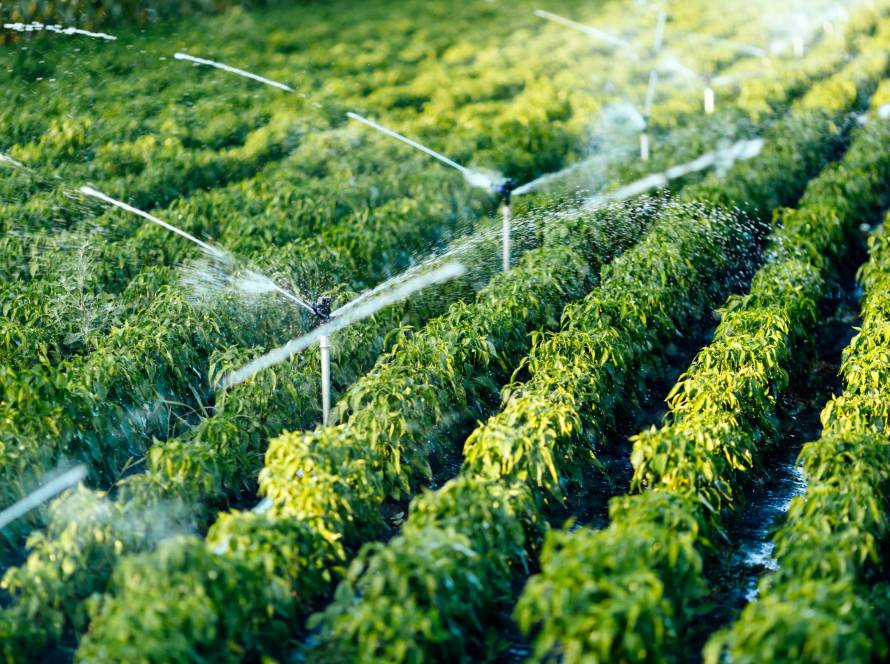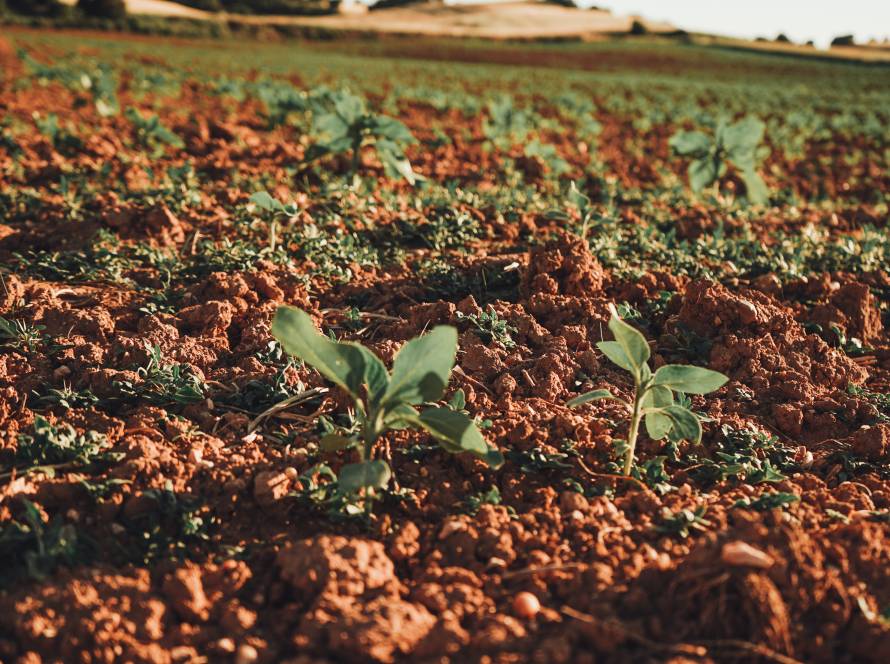
Agriculture, one of humanity’s oldest activities, is now at the center of a silent yet massive digital revolution. For thousands of years, farmers relied primarily on experience and intuition. Today, those instincts are being supported and transformed by sensors capable of measuring conditions down to the square centimeter, cloud computing systems, and artificial intelligence algorithms. So how will this high-tech transformation in the fields impact the food on our tables?
1. Sensors That Monitor the Pulse of the Soil
In the past, farmers determined whether a field needed water or fertilizer by observing the color of the soil or checking it by hand. Today, IoT (Internet of Things) sensors placed deep in the ground allow the soil and crops to “communicate.”
Moisture and Salinity Sensors:
These systems monitor the soil’s water retention capacity in real time and activate irrigation systems before crops experience stress.
Nutrient Analyzers:
By measuring nitrogen, phosphorus, and potassium levels in the soil, they ensure that fertilizers are applied only where needed and in the exact required amount. This environmentally conscious approach also helps prevent groundwater pollution.
2. Big Data from the Sky: Drones and Satellites
In the farms of the future, one of the farmer’s greatest assistants will be the eyes in the sky. High-resolution satellite imagery and drones equipped with multispectral cameras scan fields not as a single area, but as thousands of individual data points.
Crop Health Maps (NDVI):
These systems analyze light wavelengths invisible to the human eye, detecting early signs of disease days before problems become visible in the field.
Precision Spraying:
Drones can spray only the specific areas where disease is detected, reducing chemical usage by up to 90%.
3. Artificial Intelligence: Agriculture’s New Brain
Collecting data is only half the process. The real breakthrough lies in interpreting it. Artificial intelligence (AI) and machine learning combine historical weather data, soil analyses, and harvest results to create a powerful decision-support system.
Harvest Forecasting:
AI analyzes climate conditions to predict when crops will reach their highest nutritional value and best flavor profile.
Climate Risk Management:
By warning farmers before unexpected frost events or storms, AI enables preventive action and helps protect food supply security.
“The farmer of the future will not only cultivate the land, but also manage data like a technology expert.”
Less Resources, More Food
In a world where the population is rapidly increasing and agricultural land is limited, technology is no longer a luxury, but a necessity. Thanks to sensors and artificial intelligence, it is now possible to grow higher-quality crops while using less water, fewer chemicals, and causing less strain on the soil.
The fields of the future will rely not only on sunlight and rain, but also on wireless networks and the precision of algorithms. This digital transformation ensures that the food reaching our tables comes from a safer, more transparent, and more sustainable journey.