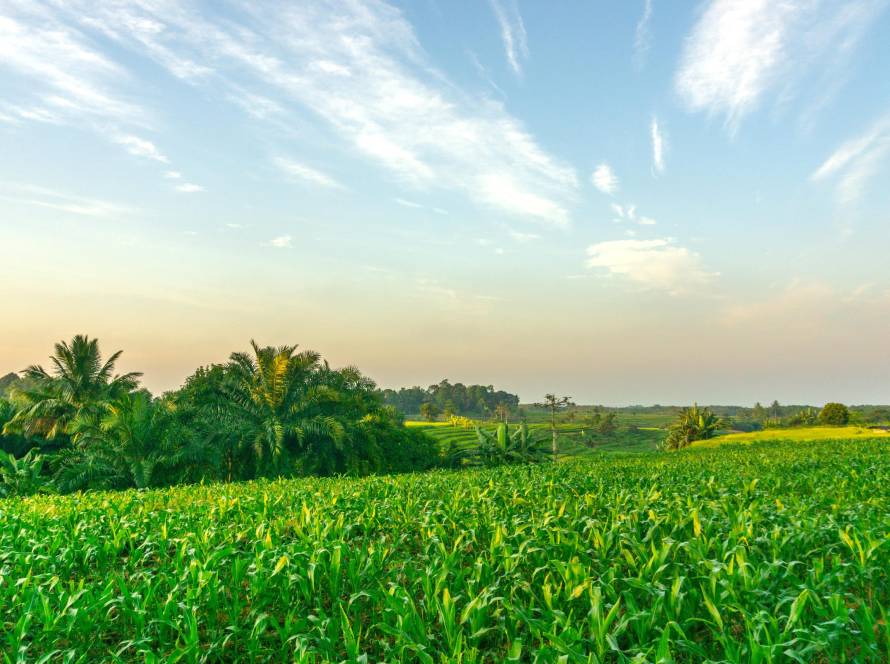
Agriculture is inherently circular by nature. A flow of life that moves from seed to sprout, from harvest to table, and back to the soil… However, modern agricultural systems have gradually disrupted this natural cycle. Monocultures, intensive chemical use, and a one-way production mindset have weakened nature’s ability to regenerate itself. Today, a new agricultural paradigm is emerging: Circular agriculture.
So, what is circular agriculture? And is truly “zero-waste” production possible?
What is Circular Agriculture?
Circular agriculture is a farming model that re-evaluates resources at every stage from production to consumption, turns waste into inputs, and mimics natural processes. While linear production models dominate with a “produce – consume – discard” cycle, circular agriculture is guided by the philosophy of “produce – consume – recover – reproduce.”
This model is based on the idea that nothing in nature goes to waste. For example:
- Crop residues left after harvest become animal feed or compost.
- Waste from fermentation processes is used as soil conditioners.
- Irrigation water systems are designed with recycling in mind.
- Packaging is produced as biodegradable or refillable.
The Intersection of Tradition and Science
In many ways, circular agriculture is a modern version of traditional production habits. Some methods practiced for generations in Anatolia—such as planting wheat the following year in a field where chickpeas were grown—were ways to use the soil without exhausting it. Today, these cycles are being made more systematic with scientific data and technological tools.
Fermented foods, in particular, are almost a living example of the circular agriculture model. The brine liquids produced during pickle production can be utilized with appropriate methods both as probiotic supplements and as soil conditioners. Moreover, this reduces food waste while also lowering production costs.
Key Components of Circular Agriculture
- Soil Health and Composting: Plant residues and organic food scraps emerging after harvest are composted and returned to the soil. This both reduces waste and minimizes the need for chemical fertilizers.
- Energy and Water Management: Solar-powered irrigation systems, rainwater harvesting infrastructure, and drip irrigation methods that provide low evaporation are cornerstone elements of the circular model.
- Multiple Production and Residue Recovery: Growing multiple crops in the same agricultural area, utilizing plant residues, and establishing integrated systems with animal husbandry make zero-waste production possible.
- Preventing Waste by Design: Designing production from the initial stage in a way that does not generate waste is the essence of the circular mindset. For example, designing pickle jars suitable for refilling or preferring biodegradable packaging supports this approach.
The Role of the Food Sector in the Zero-Waste Journey
The food industry is one of the sectors with the largest share in global waste production. However, it also has the highest potential to break this cycle. Especially in processed food sectors like pickles, olives, and canned vegetables:
- Vegetable residues released during production can enable biogas generation.
- By-products like brine water can be integrated into recycling systems.
- Sustainable solutions can be used in labeling and packaging.
The journey of a jar of pickles, in this sense, is not just about flavor; it is an example of sustainability.
Circular Agriculture: Not a Choice, But a Necessity
As the impacts of the climate crisis deepen, continuing with traditional production models is no longer possible. Water resources are diminishing, soil fertility is declining, and food waste is increasing. The way to change this picture is to redesign the entire system. Circular agriculture provides sustainability not only environmentally but also economically and socially:
- It offers farmers the opportunity to turn waste into valuable inputs.
- It facilitates local producers’ competition with value-added products.
- It presents consumers with transparent and eco-friendly foods.
A Circular Future is Possible
Circular agriculture is a bridge that combines the wisdom of the past with the technology of the future. This waste-free, efficient, and nature-harmonious production model is the responsibility not only of farmers but also of every consumer. Because every purchasing choice is a link in this cycle. And perhaps this transformation begins with a jar of pickles.