The world of food is no longer dominated solely by large industries. Increasing consumer awareness, the growing demand for transparency in production processes, and a renewed longing for traditional flavors have brought small producers back to the center of the game. However, this transformation does not happen alone. It becomes possible through solidarity, digitalization, and strong local collaborations.
From Local to Global: The Changing Balance of Power
For many years, small producers were often limited to local markets. Difficulties in accessing distribution networks, meeting packaging standards, and the lack of marketing power meant that reaching national or international shelves was little more than a dream.
Today, however, this balance is changing thanks to cooperatives, support from local governments, partnerships with the private sector, and the opportunities created by digital marketing.
Collaborations that Nourish the Ecosystem
Developments such as large retail chains opening shelf space for regional producers, the growing recognition of local food festivals, and the rise of gastronomy tourism are increasing the value of small-scale producers. At the same time, sustainability and carbon footprint–conscious consumption trends are turning “local production” into a major advantage.
Joint projects with start-ups, mentorship programs that support food entrepreneurs, and consultancy in branding and e-commerce enable small producers to share their stories and expand into global markets.
Transforming Cultural Value into Economic Strength
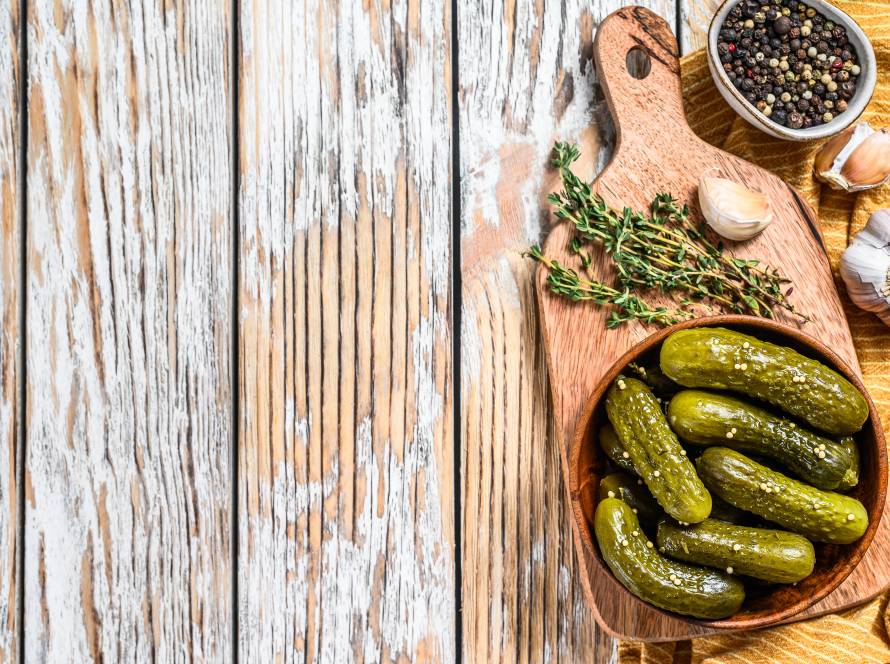
A jar of homemade pickles is not just a product. It carries the climate, soil, culture, and labor of a region. With the right collaborations and professional support, this value can transform into real economic strength.
Geographically indicated products from Anatolia are now finding their place on European shelves through effective packaging and marketing strategies. And this is only the beginning. What matters most is that producers are not left alone and that support mechanisms remain sustainable.
A Strong Ecosystem, A Strong Future
Recognizing small producers as the cornerstone of a sustainable and fair food system is the first step toward building a more resilient food future. Turning local collaborations into strategic partnerships benefits not only producers but also consumers.
Because a healthy ecosystem nourishes everything: the soil, the producers, and the shelves