Global warming, droughts, extreme weather events, declining agricultural productivity, and deteriorating ecosystems… Today, every production sector—especially the agriculture-based food industry—is directly confronting the impacts of climate change. The issue is no longer merely an environmental problem; it has also become an economic and strategic production challenge. For this reason, businesses must go beyond simply trying not to harm nature and actively develop production strategies that adapt to climate change.
Why Do We Need “Adaptation” Strategies?
Efforts to address climate change are generally grouped under two main headings:
- Mitigation: Reducing carbon emissions
- Adaptation: Making systems resilient to the changing climate
Adaptation strategies are gaining increasing importance, particularly in agriculture and food sectors, because these areas are:
- Highly climate-dependent (temperature, precipitation, seasonal cycles),
- Based on biological processes,
- Interwoven with socio-cultural habits and traditions.
For these reasons, developing flexible, locally sensitive, and long-term strategies against change is vitally important.
6 Core Strategies for Resilient Production
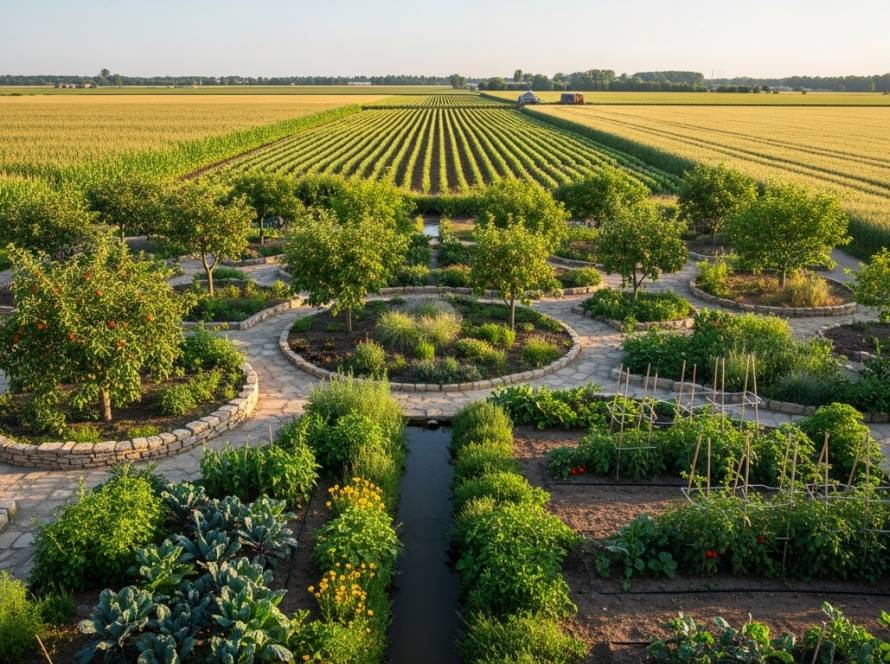
- Drought-Resistant Agricultural Practices
- Low-water-use seeds
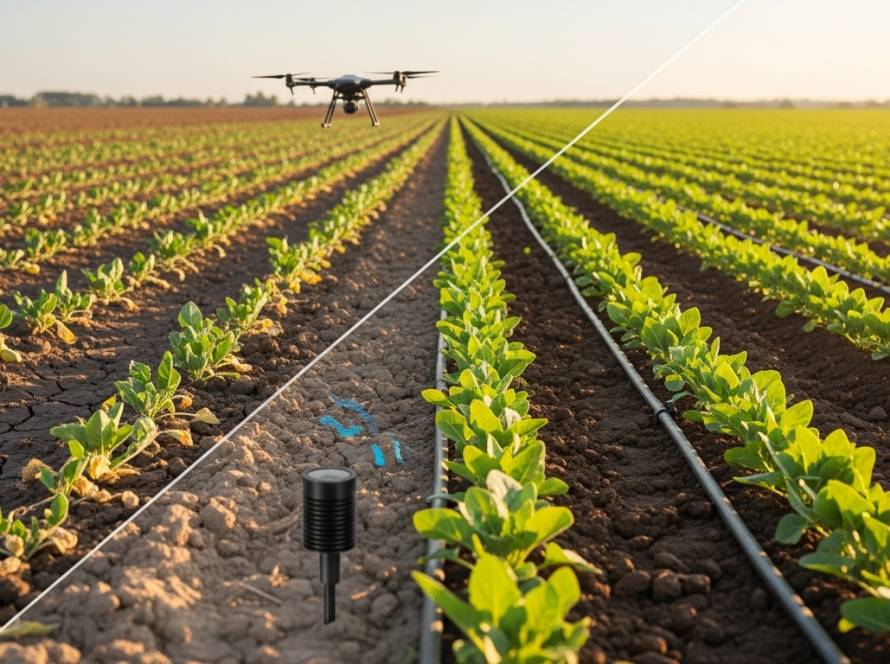
- Drip irrigation systems
- Mulching and cover cropping to retain soil moisture
These practices are critical for minimizing yield losses in the face of increasing drought risks.
- Diversified Farming and Crop Patterns
Instead of relying on a single crop, growing a variety of plants suited to regional conditions spreads risk. This increases resilience to both climate and market fluctuations. - Early Warning and Monitoring Systems
- Weather sensors
- IoT-based field monitoring systems
- Satellite imagery tracking
These systems allow producers to take preventive measures against sudden climate-induced changes, reducing harvest losses.
- Investment in Fermented and Shelf-Stable Foods
Fermented products such as pickles (turşu), canned goods, and şalgam (fermented turnip juice) are ideal examples of climate-resilient production thanks to their long shelf life, low energy requirements, and sustainable production conditions.Specifically for pickle production:- Seasonal production aligns with natural cycles
- Low heat and energy needs minimize carbon emissions
- When integrated with waste-reduction approaches, it creates an exemplary circular system.
- Integration of Renewable Energy
Using solar power plants (GES), biogas, or wind energy systems in production facilities both reduces the carbon footprint and provides economic benefits to the operation. - Social Adaptation and Education
Climate resilience is not solely a technical issue. Informing, training, and involving farmers, employees, and business partners in the process ensures that change becomes lasting.
Redesigning the Future in Harmony with the Climate
Climate change is not only a threat—it can also be an opportunity for restructuring. Companies operating in the food sector can, by making their production processes climate-resilient:
- Strengthen their sustainability vision,
- Optimize costs in the long term,
- Build reputation and trust among consumers.
This transformation is essential not only for the environment but also to ensure continued production in the future.