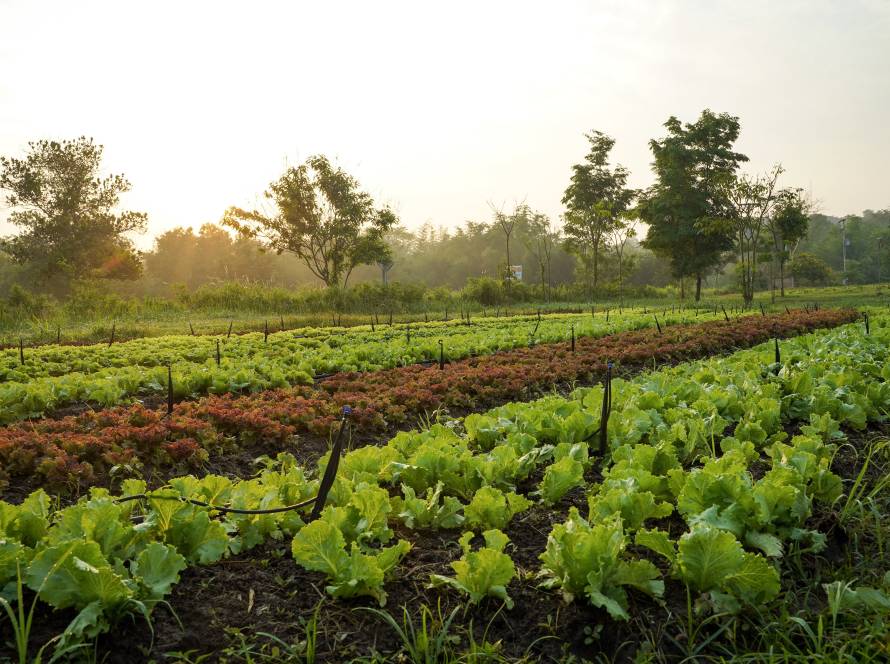
When sustainability is mentioned, the first concept that usually comes to mind is packaging. Using recyclable, compostable, or reusable materials to reduce environmental harm is certainly important. However, truly nature-conscious food production requires a holistic transformation that extends far beyond packaging, reaching from field to table.
Responsibility Starting with the Seed
Nature-conscious processes begin at the very start of production: with seed selection. Local and heirloom seeds stand out for requiring fewer chemical fertilizers, aligning more harmoniously with natural cycles, and contributing to biodiversity. Integrating such seeds into industrial-scale production plays a critical role in reducing environmental impact.
Energy Efficiency and Water Management in Production
Modern food production facilities must now be evaluated not only in terms of hygiene or capacity, but also for their energy and water consumption. Production sites supported by solar panels, waste heat recovery systems, rainwater harvesting, and water treatment systems are among the key building blocks of this transformation.
Zero-Waste and Circular Systems
In the production of pickles, canned goods, and similar processed foods, vegetable peels, stems, or spoiled raw materials are no longer considered waste. They can be recovered through biogas production, composting, or use as animal feed. In this way, the production process generates valuable outputs that are returned to nature.
Reducing the Carbon Footprint in Logistics and Distribution
The environmental impact of food production must be measured not only within the factory but across the entire supply chain. Short-distance sourcing through collaboration with local farmers, electric delivery vehicles, optimized transportation routes, and lightweight packaging solutions can significantly reduce carbon emissions.
More Than Packaging: Dialogue with the Conscious Consumer
The message carried by packaging is just as important as the packaging itself. Simplified designs, nature-friendly symbols, and brief notes about the production process serve as valuable communication tools, allowing food producers to convey their sense of responsibility directly to consumers.
Respect for Nature Is Not Just Visual, but a Systemic Choice
Being nature-conscious is not limited to using paper-based packaging. It is an approach that encompasses soil health, energy consumption, waste management, and ethical communication with consumers. For food producers, this is not merely a preference, but an essential roadmap toward a sustainable future.