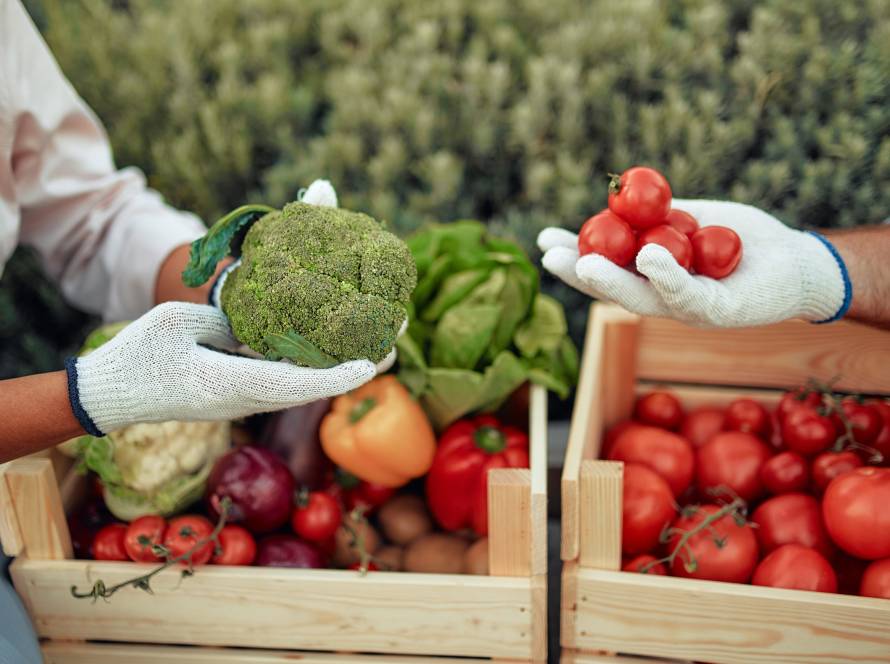
Once, food production largely operated within a local cycle. Farmers supplied nearby markets, and consumers relied on the flavors of their own regions. However, with globalization, the development of logistics networks, and the growth of digital commerce, this landscape has changed significantly. Today, products from local producers can reach consumers not only in their own regions but also across the world. This shift is giving rise to a new narrative in the food industry: the global journey of local production.
A Value That Extends from Local to Global
Local production is not only an economic activity; it is also a carrier of cultural heritage. An olive oil, a jar of pickles, or a spice blend often reflects the climate, soil, and way of life of the region it comes from. For this reason, bringing local products to international markets is not just an export success, but also a meeting of cultures. In recent years, consumers have shown increasing interest in these authentic stories. Instead of standardized products, foods with a clear origin, strong character, and a meaningful story are becoming more preferred.
The Dynamics of Entering Global Markets
Many developments have made it easier for local producers to reach global markets. Improvements in logistics infrastructure, cold chain technologies, and digital commerce platforms allow even small and medium-sized producers to export their goods. In addition, international food fairs, trade networks, and gastronomy events provide valuable opportunities for local brands to showcase themselves. One of the most critical factors in this process is the ability to grow while maintaining quality standards. Successfully adapting to global markets without losing the essence of local production is a defining characteristic of strong brands.
Products with a Story
Many of the foods that stand out in global markets have a compelling story behind them. The land where the product is grown, the production methods used, and traditions passed down through generations form the foundation of this story. For example, a jar of pickles is not just fermented vegetables; it represents local culinary culture, seasonal production, and traditional preservation techniques. This cultural background creates significant value in international markets.
Growing While Preserving Local Identity
The globalization of local production raises important questions. When a product reaches wider markets, can it maintain its authenticity? Successful producers address this by adopting two key approaches:
- Preserving traditional production knowledge
- Applying modern quality and safety standards
The combination of these approaches results in strong brands that both protect their local identity and compete effectively in global markets.
Gastronomy: The Global Language of Culture
Today, gastronomy has become one of the most powerful ways for cultures to connect. A country’s cuisine acts as a language that reflects its lifestyle and history. Therefore, bringing local foods to international markets is not only a commercial activity but also a form of cultural exchange. Each product becomes a guest at a new table in a different part of the world.
The Beginning of a New Journey
A new era is emerging in the world of food. Local producers now have the opportunity to produce not only for their regions but for the entire world. This transformation brings both economic and cultural impact. However, the most valuable aspect of this journey lies in preserving the origins and stories of these products. Because in global markets, what truly makes a difference is not just the product itself, but the spirit of the land it comes from.