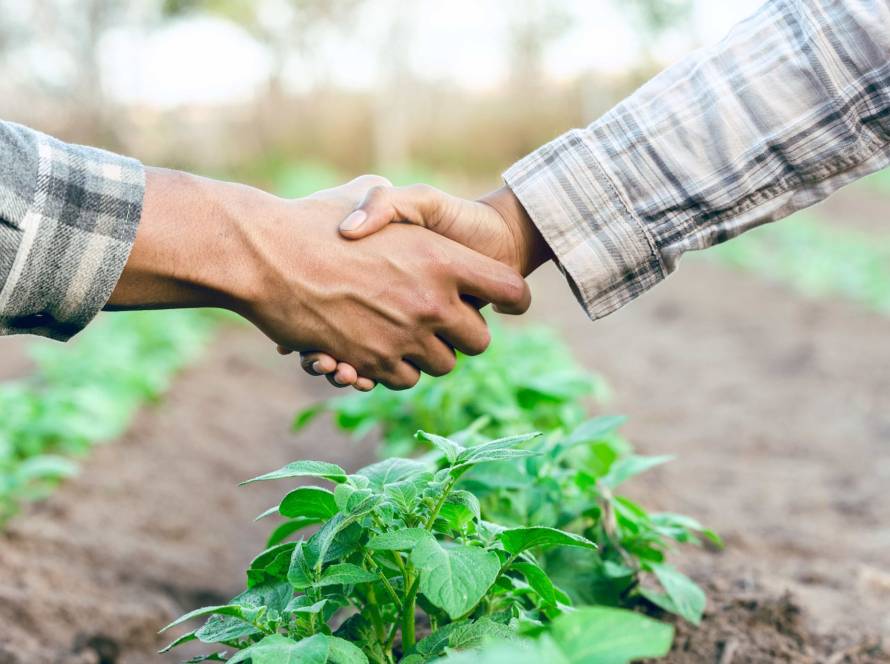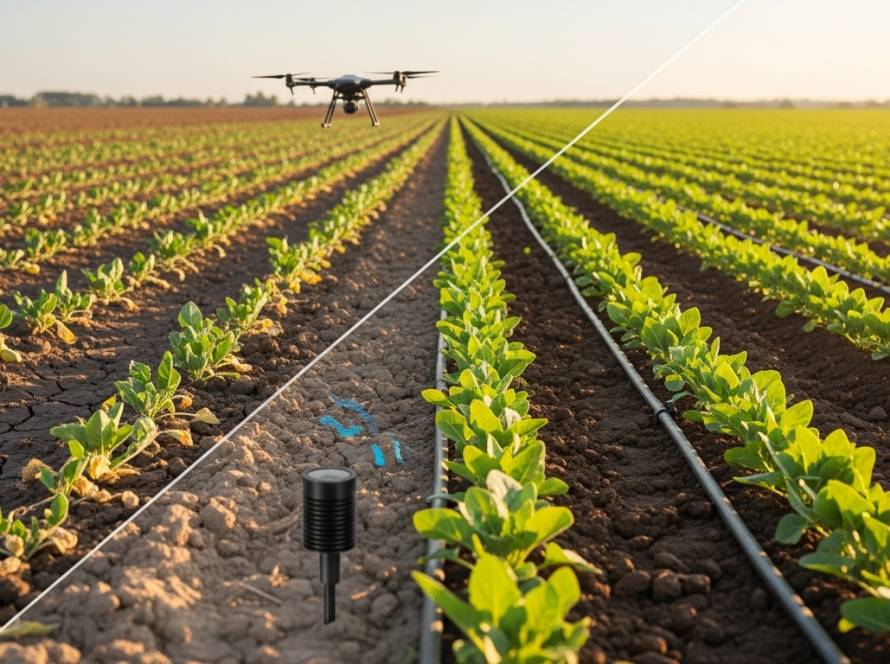
Although agriculture is a sector shaped by technology, at its core lies a deep-rooted knowledge based on understanding nature. While satellite imagery, sensors, and data analytics provide significant advantages to today’s producers, the true character of the soil is often best revealed through years of experience and observation. In traditional agricultural culture, farmers were not only producers but also careful interpreters of nature. The growth rhythm of plants, the texture of the soil, the direction of the wind, and even the behavior of birds all offered clues that shaped production decisions. Today, modern agriculture is rediscovering these ancient observation methods to build more balanced production models.
Reading Nature: The Oldest Science of Agriculture
For centuries, farmers planned their production by following the subtle signals of nature. The color and moisture of the soil, the tone of plant leaves, the density of morning dew, and changes in insect populations were all considered key indicators in the production process.
Through these observations, producers could:
- Understand the nutrient status of the soil
- Estimate irrigation needs
- Detect disease risks early
- Determine the right time for harvest
Although these methods were developed without scientific measuring tools, they often yielded remarkably accurate results.
Where Technology Meets Experience
Today, tools such as sensors, soil analyses, and satellite imagery are designed to measure nature more precisely. However, interpreting this data correctly often depends on the experience of the producer. For instance, a sensor may indicate the soil’s moisture level, but the person who best understands how a plant will respond to that moisture is the farmer who has cultivated it for years. For this reason, the most successful outcomes in modern agriculture emerge from combining data-driven technologies with traditional observation skills.
Understanding the Language of the Soil
Soil is a living ecosystem, home to billions of microorganisms and in constant transformation. Experienced farmers can draw meaningful conclusions about soil health by touching its texture, smelling it, or observing its color. For example, dark and loose soils are generally rich in organic matter, while pale and compact soils may be poor in nutrients. Such observations guide the interventions made during the production process.
The Value of Local Knowledge
Each agricultural region has its own unique climate conditions and soil characteristics. Farmers who have worked in the same area for years develop a deep understanding of these local nuances. They learn through experience which winds bring rain, which clouds signal frost risk, and which crops thrive in specific soil types. This local knowledge is increasingly recognized as a valuable resource in modern agricultural projects.
Listening to Nature for Sustainable Agriculture
Observing nature is not only essential for increasing productivity but also for ensuring sustainability. Accurately interpreting the signals given by soil and plants helps prevent unnecessary interventions.
As a result:
- Water use becomes more efficient
- Chemical inputs are reduced
- Soil health is preserved
- Ecosystem balance is supported
In this way, traditional observation methods become key tools in sustainable modern agriculture.
True Wisdom in Agriculture
The future of agriculture lies not only in developing more technology but also in preserving the wisdom rooted in understanding nature. Sensors and satellite data can make production easier, but truly understanding the story of the soil still requires a careful eye and patient experience. Taking the pulse of the soil is, in essence, a dialogue with nature. As long as this dialogue continues, agriculture will endure. Because sometimes even the most advanced technology cannot match the intuition of a farmer who has listened to the land for years.